
About The Study

View More

Major diseases like cancer, heart disease, diabetes, and respiratory illnesses often go undetected without symptoms, and infrequent check-ups may miss them early.

About The Study
Technology Breakthrough

Technology Breakthrough

Nobel laureate Prof. Ferenc Krausz and his team have used ultra-fast lasers to detect infrared molecular fingerprints in blood.

Objective

Objective

We seek to confirm if this technology can spot diseases early through regular blood tests and health monitoring.

Basic Eligibility

Register Now
For All Participants:

Hong Kong residents aged

40 - 70

Body Mass Index (BMI)

18.5 - 35.0 kg/m²

Gender

Male or female (Not currently pregnant)

Not infected with

hepatitis B, C, E viruses, or HIV

AND meet the criteria of ONE of the groups below:

Low-risk Group

Meet all 3 requirements below

Low-risk Group
  • No hypertension and never received antihypertensive medication
  • No diabetes and not receiving medication
  • Non-smoker or light smoking history

High-risk Group

Meet at least 2 of the following

High-risk Group
  • Diagnosed with hypertension and currently receiving antihypertensive medication
  • Diagnosed with high cholesterol and currently receiving cholesterol-lowering medication
  • Heavy smoking history or family history of lung cancer

What to Expect: The Journey

The 10-year study includes 23 study visits, followed by 10 years of long-term health data collection. Here is what to expect:

Overview of Study Activities
Visit 1 (Year 1)

Questionnaire, physical exam, ECG, blood & urine samples for screening.

Visits 2–4 (Year 1)

Monthly blood tests, brief questionnaires (high-risk group includes imaging).

Visits 5-12 & 14-22 (Years 1-10)

Every 6 months: questionnaire, vital signs, ECG, blood & urine samples.

Visits 13 & 23 (Years 5 & 10)

Comprehensive health check; high-risk group includes imaging.

Years 11-20

No clinic visits; long-term tracking collected via medical records.

Study Procedures
Study Procedures
Questionnaires

Questionnaires

Medical Exams

Medical Exams

Physical exam, ECG, vitals, and body measurements

Laboratory Tests

Laboratory Tests

Standard clinical parameters analysis and urinalysis, blood for comprehensive molecular phenotyping

Imaging (High-risk only)

Imaging (High-risk only)

CAC and low-dose chest CT

What Participants Receive

All study-related tests and medical procedures will be provided free of charge.

Participants will receive results of the standard clinical parameters analysis and urinalysis.

What Participants Receive
Register Now

Leadership

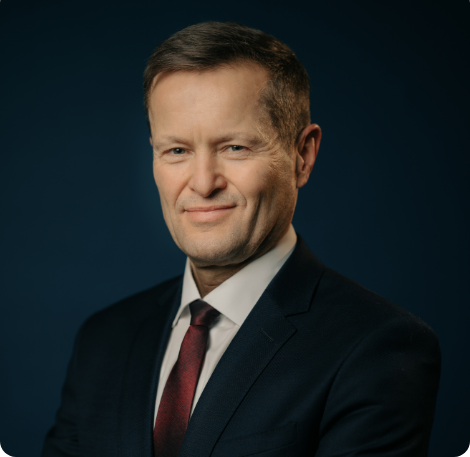
Prof. Ferenc Krausz
Scientific Leadership

Prof. Ferenc Krausz

Director and Chief Principal Investigator, Institute for Precision Prevention, The University of Hong Kong

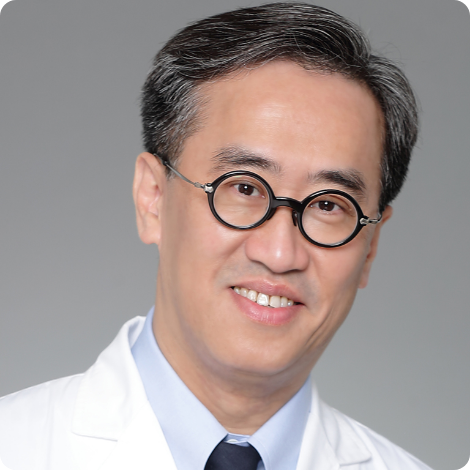
Prof. Dennis Ip
Clinical Leadership

Prof. Dennis Ip

Associate Director and Co-Chief Principal Investigator, Institute for Precision Prevention, The University of Hong Kong

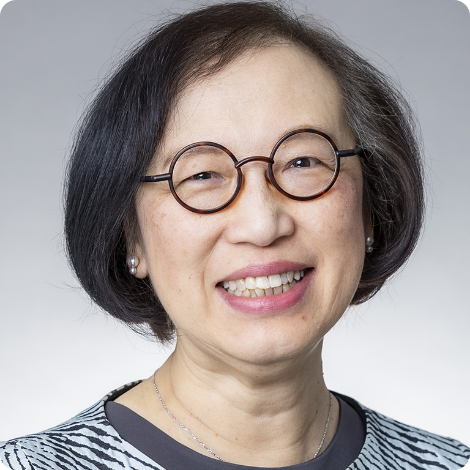
Prof. Sophia Chan
Scientific Advisor

Prof. Sophia Chan

Chief Scientific Advisor, Institute for Precision Prevention, The University of Hong Kong

Frequently Asked Questions

Do I need to pay anything to participate?

No. All study-related assessments and procedures are provided free of charge.

Will I receive my blood/urine test results?

You will receive results of the standard clinical blood parameters and urinalysis.

What are the risks of participating?

Blood collection may cause pain, bruising, light-headedness, and, rarely, local or systemic infections.

Will my personal data be kept confidential?

Yes, all personal data will be kept confidential and will not be shared with any third parties without your consent.

How much blood will be taken at each visit?

Approximately 28 to 35 mL.

Is this a health screening programme? Will I receive treatment?

This is an observational study, collecting information on disease development. You will not receive any treatment.

Can I withdraw from the study after joining?

Yes, you can withdrawn from the study anytime, but we encourage you to participate as long as possible to help us reach out study goals.

Where will the study visits take place?

At the dedicated study site in Hong Kong.